






Blog
Generator Parts That Keep Your Power Ready

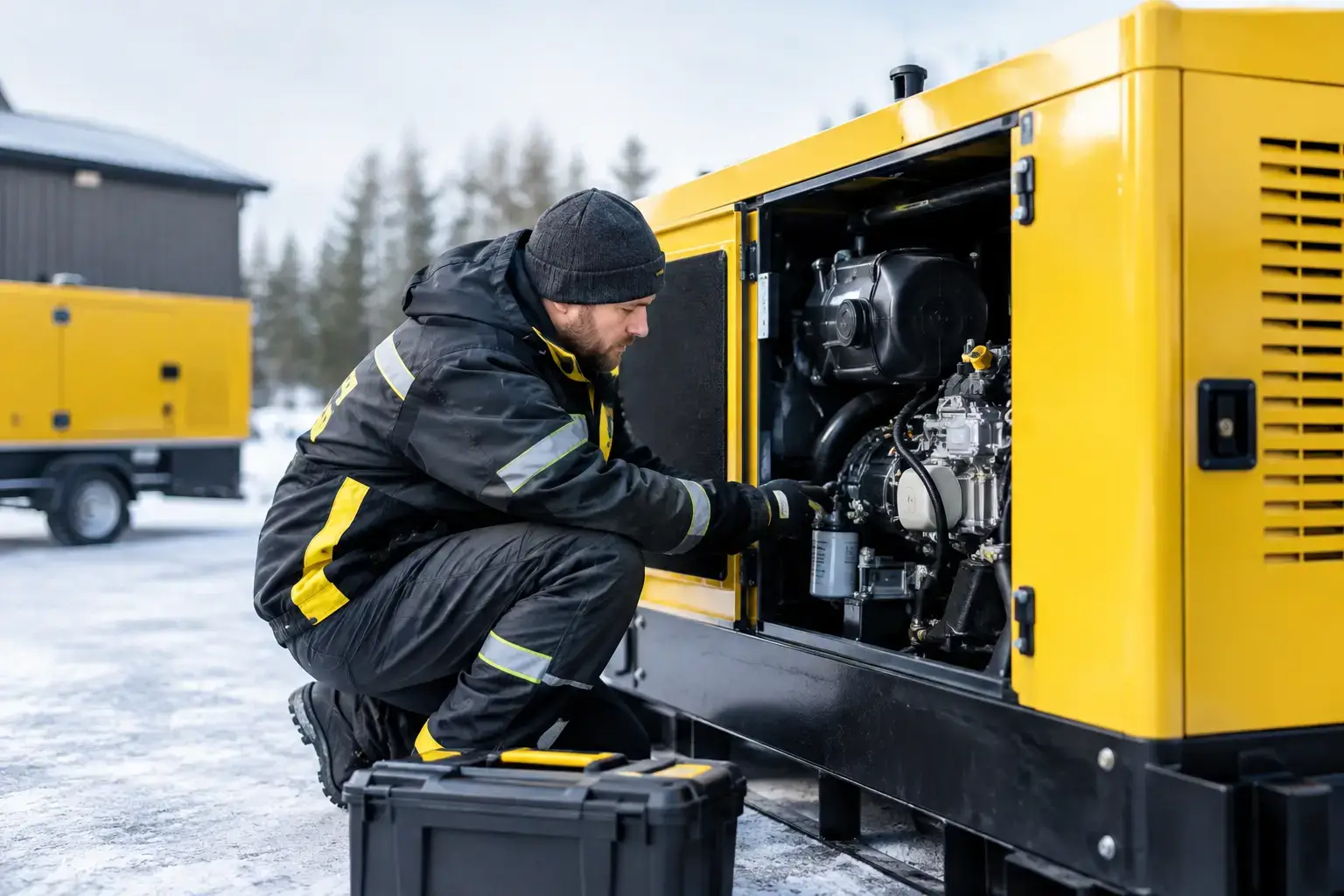
A generator that will not start during an outage is rarely a mystery. Old fuel, a blocked filter, a weak spark, or a neglected battery usually caused the failure weeks or months earlier. Keeping the right generator parts on hand turns routine maintenance into a fast repair and keeps power available for the home, workshop, jobsite, forest cabin, or field operation.
Portable generators work hard in conditions that are not kind to engines. Cold starts, dusty work areas, long storage periods, wet ground, and sudden heavy loads all put pressure on the machine. The good news is that most service items are straightforward to inspect and replace before they become a bigger problem.
Start With the Generator Parts That Wear First
Not every component needs to be replaced on a schedule. Major electrical parts can last for years when the generator is correctly loaded, kept dry, and serviced with clean oil. Consumable items are different. They are designed to be checked, cleaned, and replaced as part of normal ownership.
Engine oil is the first priority. It protects internal moving parts, helps control heat, and carries away contaminants. Check the oil level before every extended run, especially if the generator is working under a heavy load. Change it according to the engine service interval, and use an oil grade suited to the operating temperature. In cold weather, oil that is too thick can make starting harder and slow lubrication at startup.
Air filters deserve the same attention. A dirty filter restricts airflow, affects fuel mixture, and can reduce performance. On dusty jobsites or when operating near gravel roads, timber work, or dry fields, inspect the filter more often than the standard schedule suggests. A foam element may be washable if the manufacturer specifies it. A paper element is normally replaced rather than cleaned aggressively.
Spark plugs are small, inexpensive, and often overlooked. A worn, fouled, or incorrectly gapped plug can cause hard starting, rough running, and poor fuel efficiency. Keep a correct replacement spark plug in the service kit, along with the proper socket and gap tool. If the plug repeatedly fouls, do not just replace it. Check fuel quality, air filtration, choke operation, and oil level for the underlying cause.
Fuel filters, fuel lines, and shutoff valves should also be checked regularly. Fuel does not improve while sitting in a tank. It can absorb moisture, leave deposits, and damage carburetor components. Replace cracked fuel lines immediately and do not ignore the smell of gasoline around a stored generator.
Generator Parts for Starting, Fuel, and Power Output
When a generator fails, the symptom helps narrow down the parts worth checking. A machine that cranks but will not start needs a different approach than one that starts normally but produces no usable power.
If the engine will not start
Begin with the basics: fresh fuel, correct oil level, fuel valve open, engine switch on, and choke set for a cold start. If those checks are correct, inspect the spark plug and air filter. For an electric-start generator, a battery that has discharged during storage may be the only issue. Battery leads should be clean, secure, and free from corrosion.
Carburetor-related problems are common after long storage with untreated fuel. Deposits can block the small passages that meter fuel into the engine. A fuel shutoff valve and a carburetor drain routine can help before storage, but once the machine is running poorly, the carburetor may need cleaning or replacement. Use parts made for the exact generator model. Similar-looking components can have different fuel connections, jet sizes, and linkage positions.
If the engine runs but there is no power
First, disconnect all appliances and reset any circuit breakers. A tripped breaker can look like a generator failure when the engine is actually operating correctly. Inspect outlets, extension cords, and connected equipment before assuming the generator itself is at fault.
If protection devices are intact, possible electrical generator parts include the automatic voltage regulator, capacitor, brushes on applicable models, control module, receptacles, or wiring connections. These repairs need more care than routine engine service. Shut the generator down, remove the spark plug cap, and disconnect the battery where fitted before inspection. If electrical diagnosis is outside your experience, technical support or qualified service is the safer choice.
Inverter generators have different electronics from conventional open-frame units. Their clean, stable output is ideal for sensitive tools, chargers, and household electronics, but replacement parts must match the model precisely. Never fit an unknown control board, inverter module, or regulator simply because the connector appears to fit.
Buy by Model Number, Not by Appearance
The most expensive spare part is the one that does not fit. Generator model numbers, engine codes, serial ranges, and part diagrams exist for a reason. Before ordering, confirm the generator model from its identification label and compare the required part number with the service documentation.
This is particularly important for carburetors, recoil starter assemblies, ignition coils, control panels, alternator components, and wheel kits. A recoil starter can look identical from the outside while using a different pulley depth or mounting pattern. An ignition coil may mount in the same place but have the wrong air-gap specification. Electrical parts can be even less forgiving.
For routine stock, keep these practical items available:
- Correct engine oil and a replacement oil drain washer if your model uses one
- Air filter, spark plug, and fuel filter
- Fuel stabilizer for storage and approved fuel containers
- Recoil starter cord, basic hand tools, and spare fuses where applicable
- A suitable battery maintainer for electric-start models
The exact kit depends on how the generator is used. A homeowner running backup power a few times a year needs a different stock level than a contractor operating equipment every week. If the generator supports a sump pump, refrigeration, heating controls, medical equipment, or critical communications, keeping common service parts on site is a sensible readiness measure.
Storage Is Where Many Failures Begin
A generator may run perfectly when stored and still fail when needed. Storage preparation protects more than the engine. It also helps preserve fuel-system parts, batteries, seals, and electrical connections.
For short storage, use fresh treated fuel and run the generator regularly under a meaningful load. Letting an engine idle for a few minutes is not a full exercise routine. Connecting an appropriate load allows the engine and alternator to warm up and confirms that the outlets and voltage regulation are working.
For longer storage, follow the manufacturer procedure for fuel treatment, fuel draining, and carburetor preparation. Change contaminated oil, clean the exterior, inspect for leaks, and store the unit in a dry, ventilated area. Do not run a generator indoors, in a garage, or near doors and vents. Carbon monoxide can enter occupied spaces quickly and without warning.
Cold conditions add another layer. Keep the battery maintained, use the recommended oil viscosity, and protect the generator from snow, standing water, and wind-driven debris. A cover can protect a stored unit, but never operate a generator under a cover unless it is specifically designed as a safe, ventilated operating enclosure.
Know When a Part Is Not the Real Problem
Replacing parts without diagnosis wastes time. Low voltage may come from overload, undersized extension cords, or a connected appliance with a fault. Frequent breaker trips may indicate too much starting wattage rather than a bad breaker. Surging can be caused by stale fuel, but it can also result from an inconsistent load or incorrect altitude adjustment where applicable.
Match the generator to the job before blaming the machine. Add running watts, allow for motor starting watts, and leave capacity for load changes. For household backup, prioritize essential circuits and use a properly installed transfer solution when connecting to a building electrical system. Never backfeed power through a wall outlet. It is dangerous to occupants, utility workers, and the generator itself.
Champion Baltics supports owners who expect their equipment to work when conditions get rough. The best maintenance plan is not complicated: use clean fuel, check oil, keep filters clear, test the unit under load, and replace worn parts before the next outage or workday makes the decision for you.