





Blog
Top Utility Pumps Lithuania Buyers Can Rely On

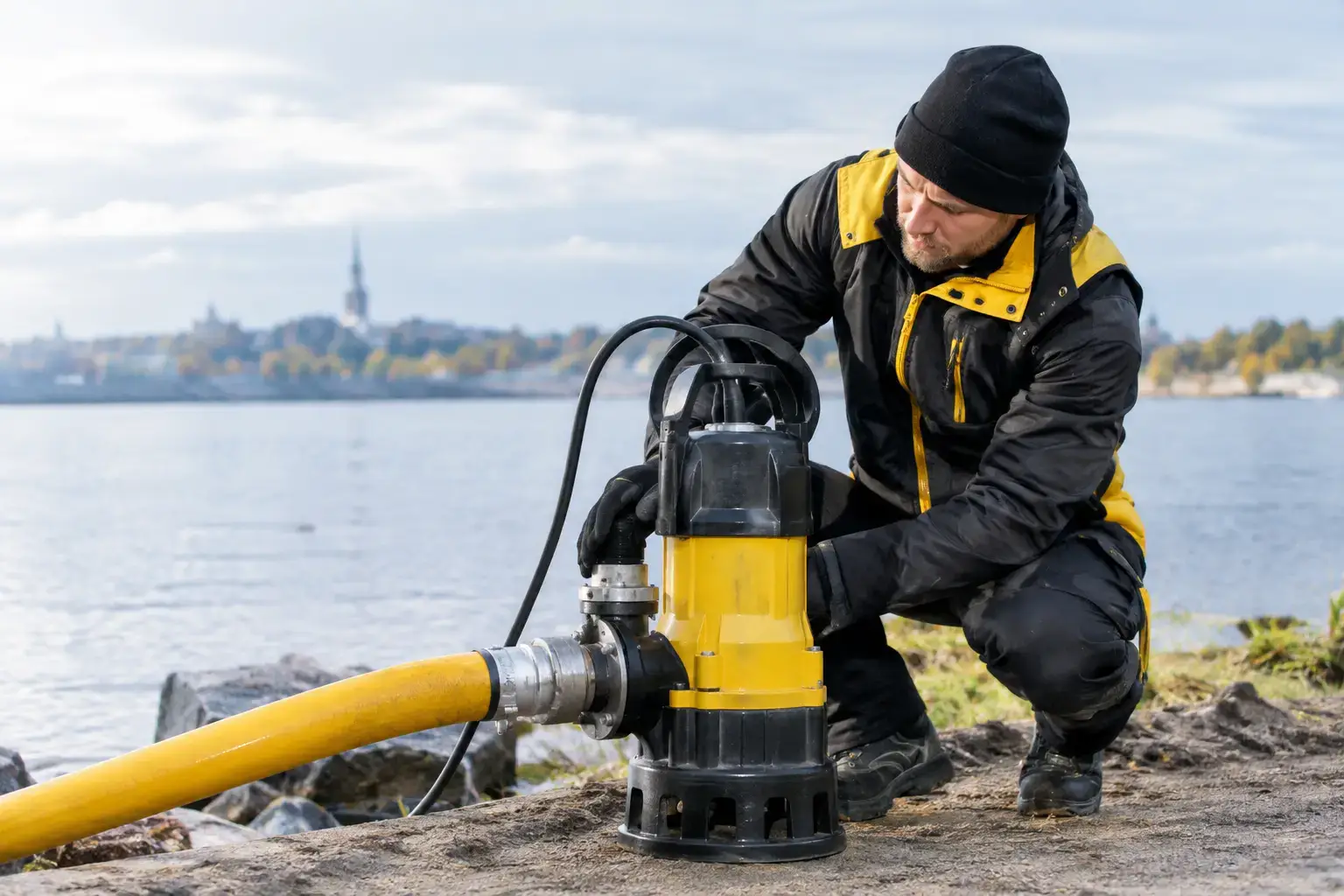
A flooded basement, a waterlogged trench, or an overflowing pond does not wait for a convenient workday. The top utility pumps Lithuania buyers look for are not simply the biggest machines available. They are pumps matched to the water, the lift, the distance, and the conditions where the work has to get done.
For a rural property, workshop, construction site, or off-road base, the right portable pump can save hours of manual labor and prevent expensive damage. The wrong one may struggle with debris, lose flow over a long discharge line, or become difficult to start when temperatures drop. Start with the job, then choose the pump built to handle it.
What Makes a Utility Pump a Top Choice?
A useful pump needs more than a strong engine. It needs the correct combination of flow rate, head height, intake capacity, hose size, and construction for the water being moved. A high-flow pump can clear a large volume quickly, but it may not be the best option when water must travel uphill or across a long field.
For most property owners, portability matters just as much as output. A pump that can be carried to a drainage ditch, loaded into a pickup, or moved around a site is more likely to be ready when needed. A rigid frame, stable feet, accessible controls, and durable hose connections all make a difference during real work.
Cold and wet operating conditions also change the buying decision. Equipment left in a shed, trailer, or unheated workshop needs sensible storage, regular checks, and a fuel system that is kept clean. Dependable starting and straightforward maintenance are practical advantages, not optional extras.
Top Utility Pumps Lithuania Users Need for Real Jobs
The best pump category depends on what is in the water. Clear-water transfer, dirty-water drainage, and heavy debris removal are different jobs, even when they look similar from a distance.
Clear-water transfer pumps
Clear-water pumps are designed for relatively clean water with little or no abrasive material. They are a practical choice for transferring water from tanks, pools, rainwater storage, ponds with clean intake points, or flooded indoor areas after the source of contamination has been controlled.
These pumps are usually the right fit when speed matters and the water does not contain stones, leaves, heavy sediment, or fibrous debris. They can also support irrigation work, provided the required lift and hose run are within the pump’s rated capability.
Using a clear-water pump in muddy water is a false economy. Silt and grit can wear internal components, while larger debris can block the impeller. If the water is visibly dirty, choose a pump designed for it instead of hoping a strainer will solve the problem.
Dirty-water and trash pumps
Dirty-water pumps, often called trash pumps, are made for tougher drainage work. They are the better option for ditches, excavation sites, storm runoff, muddy ponds, and water carrying leaves, sand, or small solids. Their larger passages reduce the chance of frequent clogging and keep the job moving.
That does not mean every dirty-water pump can process every object. Solid-handling capacity is a stated limit, not a challenge to exceed. Long grass, fabric, wire, and plastic can still obstruct the intake, while sharp stones can damage any pump. A sensible setup includes clearing obvious debris from the intake area before starting.
For landowners, this is often the most versatile category. One capable dirty-water pump can handle seasonal drainage, flooded access routes, farmyard runoff, and site cleanup without requiring the water to be perfectly clean.
High-head pumps for distance and elevation
Flow rate gets most of the attention, but head height is often the specification that decides whether a pump will work. Head is the pressure needed to lift water vertically and push it through hose. Every meter of elevation, hose length, bends, valves, and narrow fittings adds resistance.
A pump may move a large amount of water at ground level yet deliver far less when pumping uphill to a tank or across a long property. For irrigation from a stream to an elevated garden, dewatering a deep excavation, or transferring water to a raised storage tank, choose a pump with enough head capacity to maintain useful flow at the end of the line.
Do not select solely by the maximum head shown in the specification. At maximum head, flow approaches zero. The working point should leave a healthy margin for your actual elevation and hose losses.
Size the Pump Before You Buy
Pump sizing starts with three questions: how much water must move, how far it must travel, and what is in it. Answering them prevents two common mistakes – buying an undersized pump that runs all day or overspending on capacity that does not improve the result.
First, estimate the volume. For emergency drainage, calculate the approximate size of the flooded area and how quickly it needs to be cleared. For irrigation or tank transfer, decide how many gallons are needed and the available operating time. A higher gallons-per-minute rating shortens the job, but only if the system has enough hose capacity and the required head is not excessive.
Next, measure total lift. Vertical lift is only part of the picture. Add the height from the water source to the discharge point, then consider the horizontal hose run, turns, restrictions, and fittings. A wide, short discharge hose generally preserves more flow than a long run with tight bends and reduced-diameter adapters.
Finally, assess the water honestly. Clear water can become dirty after heavy rain. A drainage ditch may contain gravel and plant matter. If conditions vary, choosing a dirtier-water capable pump can be the more practical decision, even if its maximum flow rating is not the largest on paper.
Setup Details That Protect the Pump
A good pump can still fail to perform if the setup is poor. Place it on level, firm ground as close to the water source as safely possible. Keeping the suction line short reduces strain on the pump and improves priming.
Use reinforced suction hose, not ordinary lay-flat discharge hose, on the intake side. Suction creates vacuum, and a weak hose can collapse. Fit the strainer securely, keep the intake off the bottom where it can pull in mud, and check that all couplings and gaskets are sealed. Even a small air leak on the suction side can stop the pump from priming properly.
Most centrifugal pumps require priming before operation. Fill the pump housing with water as directed before starting. Running dry, even briefly, can damage seals and overheat components. Once water is flowing, watch the discharge for changes in output that could indicate a blocked strainer, air leak, or hose restriction.
Never operate a gasoline-powered pump indoors, in a garage, or in any enclosed space. Exhaust fumes are dangerous. Position the unit outdoors with clear ventilation, manage the hot muffler area, and refuel only after the engine has cooled.
Keep It Ready Between Jobs
A pump is emergency equipment for many owners, which means it must be maintained before the emergency arrives. After use, flush out dirty water and sediment, drain the pump body where freezing is possible, inspect the strainer and hoses, and store the machine dry. Water left inside can freeze, crack components, and create avoidable repair costs.
Fuel deserves the same attention. Use clean, fresh fuel, follow the engine instructions for storage intervals, and check the oil level before each working day. Periodic starts under safe conditions can reveal fuel, ignition, or priming problems while there is still time to correct them.
Champion Baltics customers should also think beyond the initial purchase. Hoses, clamps, strainers, engine oil, seals, and replacement maintenance items determine whether a pump stays useful through years of seasonal work. Availability of practical support and service items matters when the equipment is needed at short notice.
Choose for the Water You Actually Have
The right utility pump is the one that can be deployed quickly and keep operating through the conditions on your property. Choose a clear-water model for clean transfer work, a dirty-water pump for drainage with sediment and debris, and a high-head model when distance or elevation is the real challenge.
Before the next storm, check the hose route, confirm the discharge location, and make sure the pump is fueled, drained, and ready. When water starts moving where it should not, preparation is what turns a difficult situation into a manageable job.
