







Blog
Best Generator for Cold Weather

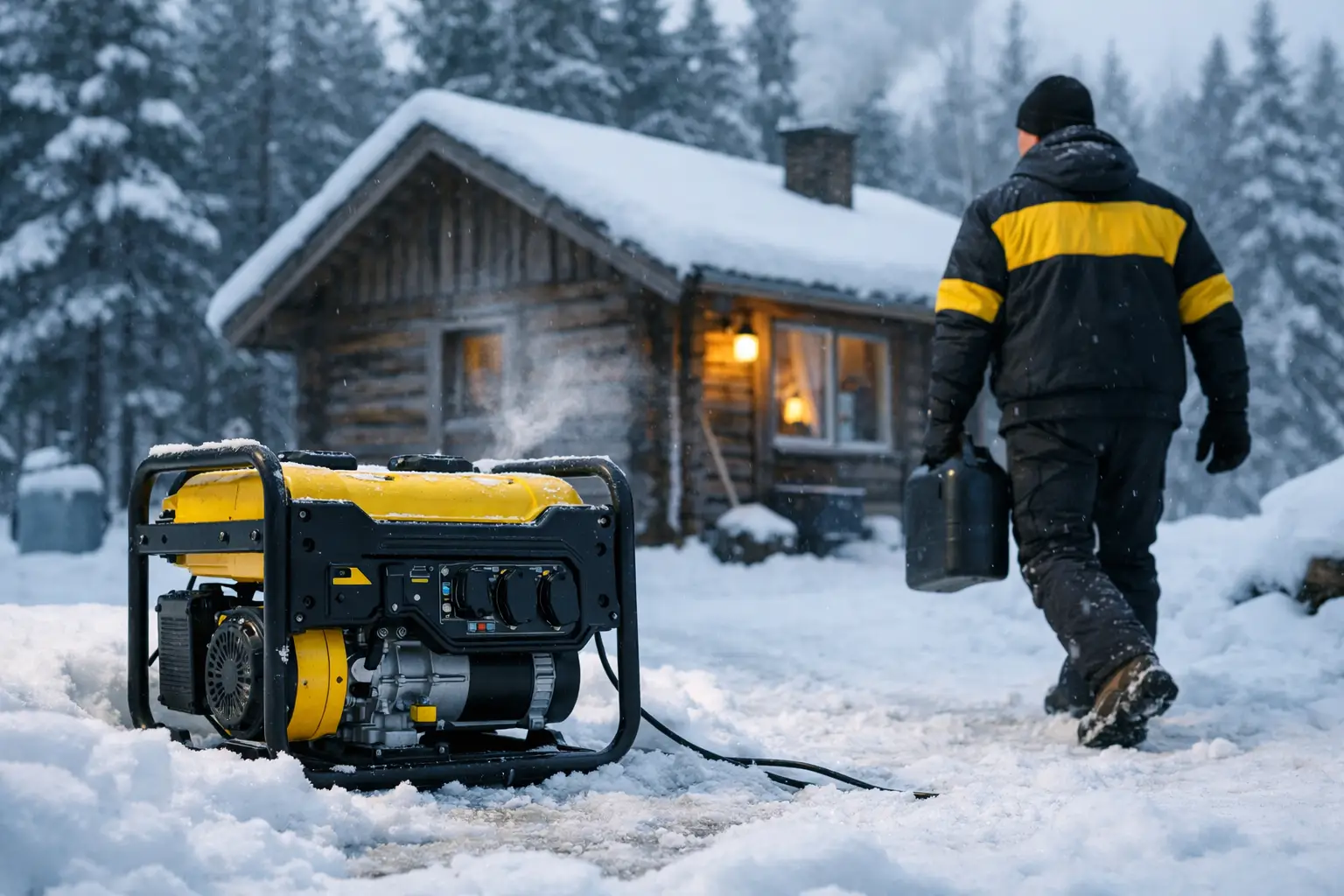
When the temperature drops below freezing, a generator stops being a convenience item and becomes a piece of equipment you need to trust. The best generator for cold weather is not simply the one with the highest wattage. It is the one that starts reliably, carries load without struggling, and keeps working when snow, wind, and long idle periods expose every weak point.
For most buyers, cold-weather generator shopping comes down to four questions. Will it start in low temperatures? Will the fuel behave properly? Can it handle the loads you actually need? And can you move, store, and maintain it without turning every outage into a project? Those are the questions worth answering before you compare model numbers.
What makes the best generator for cold weather?
Cold weather changes how every generator behaves. Engine oil thickens, battery performance drops, condensation becomes more of a risk, and fuel quality matters more than it does in mild conditions. A machine that feels perfectly adequate in summer can become hard-starting and frustrating in winter.
That is why the best generator for cold weather usually combines dependable starting, enough power reserve, and a fuel system that stays practical in freezing conditions. You also want features that reduce stress during real use – low oil shutoff, overload protection, straightforward controls, and a frame or wheel kit that makes the unit manageable on snow, slush, or uneven ground.
Inverter generators are often a strong choice for homeowners and mobile users because they are quieter, fuel efficient, and cleaner for sensitive electronics. Conventional open-frame models still make sense when higher output and lower cost per watt matter more than noise. There is no single right answer for every user. A cabin owner with a refrigerator, lights, and internet equipment has different needs than a contractor running power tools outdoors.
Fuel type matters more in winter than most people expect
If you are comparing the best generator for cold weather, fuel type should be near the top of the list. Winter performance is not just about engine design. It is also about what happens in the tank, fuel lines, and carburetor.
Gasoline generators
Gasoline is common, easy to find, and usually offers reliable starting in cold temperatures when the generator is maintained properly. For many homeowners, a portable gasoline inverter generator is the easiest winter backup option. The trade-off is fuel storage. Gasoline degrades over time, and stale fuel is a frequent cause of hard starts after a generator has been sitting.
If you choose gasoline, fuel stabilizer and regular test runs are not optional habits. They are part of winter readiness.
Dual fuel generators
Dual fuel models deserve serious attention in cold regions. They give you flexibility to run on gasoline or propane, which can be a real advantage during outages or supply issues. Propane stores well and avoids many of the storage headaches tied to gasoline.
That said, propane performance can drop in extreme cold because tank pressure falls as temperatures sink. In moderate winter conditions, it is often a convenient and clean option. In deep cold, gasoline may still offer more dependable starting and better overall output. This is one of those it-depends decisions. If you want flexibility and long-term fuel storage, dual fuel is hard to beat. If your priority is maximum winter start confidence in very low temperatures, gasoline still has a strong case.
Diesel generators
Diesel units are known for durability and long-run capability, especially in heavy-duty or professional use. But diesel brings its own winter concerns. Fuel can gel in low temperatures unless it is properly treated or seasonally blended, and cold starts can be more demanding without the right system in place.
For field professionals, farms, workshops, and users with serious load demands, diesel may still be the right tool. For casual residential backup, it can be more generator than many people need, especially if they do not want to manage winter-specific fuel concerns.
Sizing the generator for real winter loads
A generator that starts easily but cannot carry your critical loads is not the best generator for cold weather. Winter outages often mean you are powering equipment that matters more than it does in other seasons – heating support systems, circulation pumps, sump pumps, freezers, battery chargers, lights, and communications gear.
Start with what must stay on, not what would be nice to have. A refrigerator, a few lights, router, freezer, and boiler controls need far less power than whole-home backup. Space heaters, electric water heaters, and electric ranges change the math fast. If your home relies on electric resistance heating, portable generator sizing gets serious quickly.
You also need to account for starting watts. Motors and compressors often require a surge at startup that is much higher than their running load. That is why generators that look adequate on paper can trip overload protection in real use. A little power headroom helps in winter, especially when the machine is starting cold and conditions are less forgiving.
As a practical rule, buy for the loads you cannot lose and leave margin. Running a generator flat out for long periods in freezing weather is not ideal.
Features that actually help in freezing conditions
Spec sheets can be crowded with marketing language, but a few features genuinely matter when the weather turns bad.
Electric start is a real benefit in cold weather, especially on larger units. Pull-start backup is still valuable, but if you expect nighttime starts, freezing gloves, or frequent use, electric start reduces effort and frustration. Just remember that batteries also suffer in the cold, so battery maintenance matters.
A cold-start capable engine or design tuned for low-temperature use is worth prioritizing. So is a generator with accessible controls and straightforward choke operation. Small details matter when you are outside in blowing snow.
Fuel gauge visibility, covered outlets, and durable frames are not glamorous features, but they improve day-to-day winter use. So do wheel kits and handle designs that make a generator easier to move across packed ground or around outbuildings.
For electronics, inverter models bring cleaner power and quieter operation. If you are powering modern appliances, chargers, laptops, communication devices, or sensitive control boards, that cleaner output is more than a comfort feature.
Maintenance decides winter reliability
A lot of winter generator problems are maintenance problems that only show up when the machine is under pressure. If you want dependable cold-weather performance, pay attention to oil, fuel, storage, and test intervals.
Use the manufacturer-recommended oil viscosity for winter temperatures. Thick oil can make cold starts much harder than they need to be. Keep fresh fuel on hand, and if the unit runs on gasoline, manage storage properly so the carburetor does not become your weak link on the coldest day of the year.
Run the generator periodically under load, not just for a few idle minutes. That helps verify starting, output, and overall condition before you actually need the machine. Inspect spark plugs, air filters, and battery condition before winter arrives, not during the first outage.
If the generator will be stored in an unheated space, think about access and starting routine. A machine buried behind other equipment is less useful than one you can reach quickly and operate safely.
Which type is best for your use?
If you need quiet backup power for a home, RV, cabin, or mobile setup, an inverter generator is often the best fit. It is easier to live with, better for electronics, and efficient at variable loads. If you need more output for tools, pumps, or broader backup coverage, a larger portable generator may make more sense, even if it is louder.
If fuel flexibility matters, dual fuel models are especially attractive. They suit buyers who want gasoline for maximum winter starting confidence but also want propane as a storage-friendly backup. For demanding professional work, higher-output petrol or diesel units may be the better call, provided you manage winter fuel and maintenance properly.
At Champion Baltics, this is where practical buying guidance matters most. The right answer depends on how cold your conditions get, what you need to run, and whether your generator is meant for emergency backup, everyday field work, or both.
The mistake buyers make most often
Many buyers focus on peak wattage and ignore winter usability. They buy too small, store bad fuel, skip maintenance, or assume any generator will behave the same once temperatures drop. That is usually where disappointment starts.
The better approach is to think in terms of readiness. Choose a generator with enough output margin, a fuel strategy that works in winter, and features that make operation easier when conditions are poor. Then maintain it like equipment, not like a gadget.
If you want the best generator for cold weather, buy for the morning you do not want surprises – dark, below freezing, and no time for second chances.
