





Blog
What the Future of Dual Fuel Generators Holds

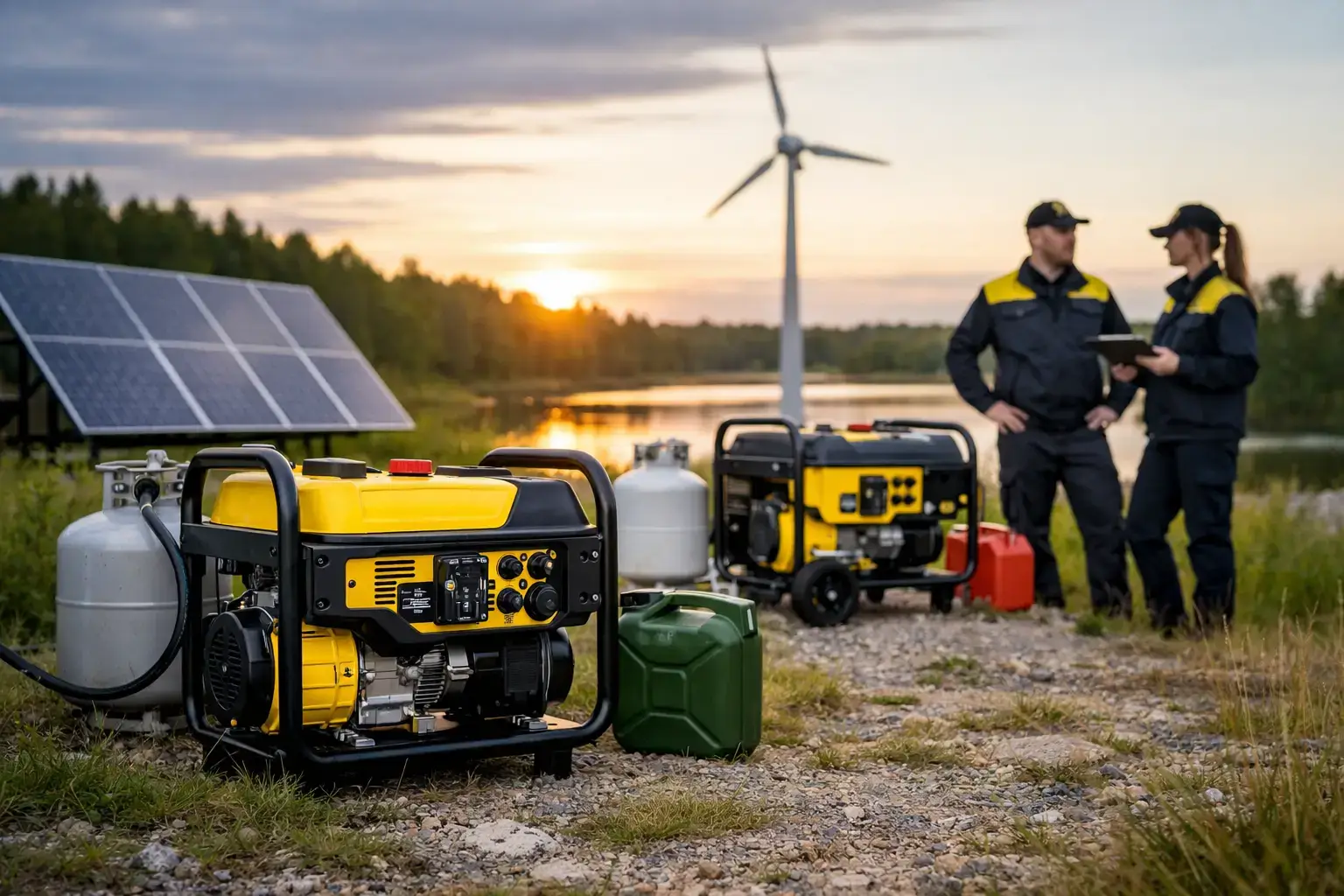
A storm cuts utility power at 2 a.m. A jobsite needs electricity before the service connection is live. A cabin sits miles from the nearest fuel station. In each case, the future of dual fuel generators is not about chasing a trend. It is about having more than one workable fuel plan when power cannot wait.
Dual fuel generators already give owners a practical choice between gasoline and propane. That flexibility is becoming more valuable as fuel prices shift, emergency preparedness improves, and buyers expect portable equipment to run cleaner, quieter, and with less maintenance. The next generation will not replace proven engine-driven power overnight. It will make it easier to use, safer to manage, and better suited to real work.
Why Fuel Flexibility Will Matter More
A gasoline generator remains a strong choice when maximum power output and easy refueling are the priority. Gasoline is widely available, portable, and familiar. For short-term work, it is often the simplest answer.
Its weakness is storage. Gasoline degrades over time, especially when left untreated in a tank or can. Owners who buy a generator for emergency backup may find that the fuel has become the weak point by the time they need it. Regular fuel rotation, stabilizer, and basic maintenance are part of responsible ownership.
Propane changes that equation. A properly stored propane cylinder can remain ready for far longer than gasoline, with no carburetor varnish caused by stale fuel. It burns cleaner and can reduce fuel-system maintenance for generators that spend much of the year waiting for an outage.
The trade-off is output. A generator usually produces somewhat less power on propane than on gasoline. Cold conditions can also affect propane vaporization, particularly with a small cylinder under heavy load. That does not make propane a poor choice. It means owners must size the generator correctly, use an appropriate cylinder, and plan for the conditions where it will operate.
This is why dual fuel capability is built for practical people. Gasoline can deliver strong output for demanding tools or a high-load start-up. Propane can provide long-term stored backup fuel. One machine gives the owner options rather than forcing a choice months before an outage or project begins.
The Future of Dual Fuel Generators Is Smarter Control
The biggest change will likely be less visible than a new engine design. Generators are gaining better electronics, improved monitoring, and more precise fuel management.
Inverter technology is already moving portable generators in this direction. Instead of running the engine at one fixed high speed, an inverter generator can adjust engine speed to match demand. When the load drops, fuel use and noise can drop with it. It also produces stable power for sensitive electronics, chargers, communication gear, and modern appliances.
Future dual fuel inverter models will likely make switching and monitoring simpler. Owners can expect clearer displays that show load percentage, run time, maintenance intervals, fuel status, and warning conditions. Remote start and remote monitoring will become more common, particularly for home backup, workshops, and remote properties.
That does not mean every generator needs an app. A reliable recoil start, a clear control panel, low-oil shutdown, and overload protection still matter more than unnecessary features. But useful information can prevent expensive mistakes. Seeing that a unit is running at 90 percent load, for example, gives an owner time to reduce demand before a breaker trips or a critical appliance loses power.
Automatic fuel switching may also improve. The goal is not to make equipment complicated. It is to reduce interruption. A well-designed system could allow an operator to start on one fuel, manage the available supply more effectively, or move to a reserve fuel source with less downtime. For an occupied home or a field operation, that is a meaningful advantage.
Cleaner Operation Will Drive Better Engine Design
Portable generators will remain combustion-engine equipment for many years because they provide high energy density, fast refueling, and independent power where batteries alone are not enough. Still, pressure for lower emissions, lower fuel consumption, and quieter operation will shape what buyers see on the market.
Propane has a clear role here. It generally burns cleaner than gasoline and does not create the same fuel-storage issues. That makes it attractive for standby use and for owners who want a generator that starts reliably after long periods of storage.
Engine manufacturers are also improving combustion efficiency, ignition systems, and carburetion or electronic fuel delivery. These changes can improve starting, reduce wasted fuel, and help engines operate more consistently across changing loads. Cold-weather performance will remain a serious test. In northern climates, a generator must do more than look good on a specification sheet. It needs the right oil, a maintained battery if equipped with electric start, protected fuel storage, and routine test runs.
Noise will matter too. Quiet operation is not only a comfort feature. It affects neighbors, campsites, residential areas, and any situation where people need sleep during a long outage. Enclosed inverter designs, improved mufflers, and load-responsive engine speed will continue to make portable power less disruptive.
Battery Systems Will Change the Job, Not End It
Battery power stations are growing quickly, and they have a place. They are quiet, produce no exhaust at the point of use, and work well for light loads, short runtimes, indoor transfer setups, and charging electronics. Paired with solar panels, they can be useful for a cabin, vehicle, or basic emergency kit.
But batteries have limits. Heating equipment, pumps, compressors, power tools, and longer outages consume energy quickly. Recharging a large battery bank can take substantial time, especially in poor weather or during winter when solar production is limited.
The more likely future is a mixed setup. A battery system can cover quiet, low-load hours. A dual fuel generator can recharge it, run heavy equipment, or take over when the outage lasts longer than expected. This approach can reduce generator run time while keeping serious power available when it is needed.
For many homeowners, the right answer will depend on the load. A refrigerator, freezer, circulation pump, lights, internet equipment, and a few outlets are one calculation. Starting a well pump, running electric heat, welding, or powering multiple construction tools is another. Always calculate running watts and starting watts before choosing equipment. The generator must handle the highest expected demand, not just the average load.
What Buyers Should Look for Over the Next Few Years
The future will reward buyers who focus on useful specifications instead of marketing labels. A dual fuel generator should match the work, the available fuel, and the storage plan.
Pay close attention to these four areas:
- Rated and starting watts: Check output on both gasoline and propane. If a pump, compressor, or refrigerator is part of the plan, account for its surge demand.
- Runtime and fuel connection: Consider the size of the gasoline tank, propane hose setup, cylinder availability, and how long the generator must run between refueling.
- Portability and protection: Wheels, folding handles, weather-conscious storage, low-oil shutdown, overload protection, and covered outlets make a real difference in field use.
- Service support and parts: Oil, spark plugs, air filters, fuel components, and replacement parts should be available before the machine needs them.
Safety remains non-negotiable. Every portable generator produces carbon monoxide when running on gasoline or propane. Operate it outdoors only, well away from doors, windows, vents, and enclosed spaces. Use proper extension cords, keep the unit dry, and connect to a building through approved transfer equipment installed for that purpose. A generator is a powerful tool, but poor placement or unsafe wiring can turn backup power into a serious hazard.
Reliable Power Will Still Be the Main Standard
The best generator technology will not be judged by how many features fit on a control panel. It will be judged by whether it starts after months of storage, carries the load without complaint, and gives the owner a workable fuel option when conditions change.
For homeowners, landowners, tradespeople, and field crews, dual fuel capability is moving from a nice extra to a smart form of insurance. Champion Baltics sees that value in the conditions that matter most: cold mornings, remote work, storm recovery, and long days when there is no room for power failure. Choose the output you need, keep both fuel plans ready, and test the equipment before the next outage makes the decision for you.
