







Blog
How to Winterize Diesel Generator for Cold Starts

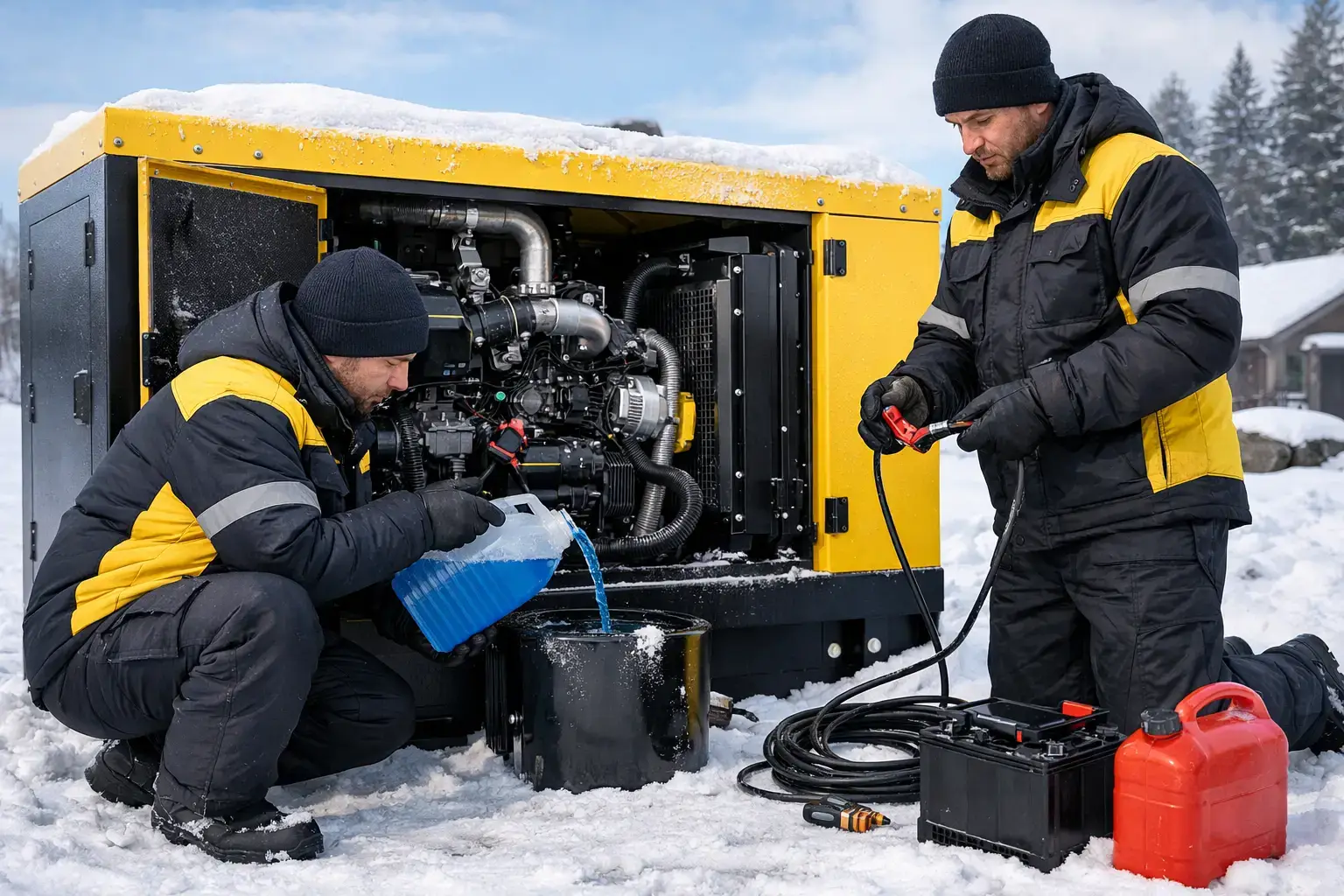
A diesel generator that ran perfectly in October can refuse to start after the first hard freeze. Cold thickens oil, weakens batteries, exposes water in fuel, and turns neglected filters into a no-start problem. Knowing how to winterize diesel generator equipment before winter arrives gives you a better chance of having dependable backup power when the grid, jobsite, or remote property needs it most.
Winter preparation is not one job for every machine. A generator that will sit unused for months needs storage protection. A unit kept ready for emergency power needs regular exercise, winter-grade fuel, and a battery that is maintained. Start with your owner’s manual, follow the service intervals for your engine, and never run a portable generator in a garage, shed, basement, or other enclosed space.
How to Winterize a Diesel Generator Before Freezing Weather
The best time to prepare is before nighttime temperatures stay near freezing. Do the work in a clean, dry area, with the generator switched off, cool, and disconnected from all loads. If the generator has been working hard, let the engine cool before checking fluids or servicing filters.
Begin with a general inspection. Look for loose hardware, cracked fuel lines, worn wiring insulation, damaged recoil cords, oil leaks, and anything blocking the cooling air path. Check the exhaust system closely. A loose muffler, damaged spark arrestor, or nest near the exhaust outlet can create a safety issue and affect engine performance.
Clean mud, leaves, sawdust, and oily residue from the frame and engine covers. On an air-cooled portable diesel generator, airflow matters. Debris around cooling fins, air intakes, and vents can raise operating temperatures even when the weather is cold. Do not pressure wash electrical components or force water into the alternator, switches, or control panel.
Change Oil Before Long Storage
Used engine oil carries moisture, soot, and combustion byproducts. Leaving it in the crankcase through a long winter is not a good storage plan. If the oil is close to its service interval, change it before storage using the oil grade specified by the generator manufacturer for expected temperatures.
Cold-weather oil selection depends on the engine and local conditions. A viscosity that works well in summer may make cranking harder in deep cold. Check the manual rather than guessing. Also replace the oil filter if your model uses one and the service schedule calls for it. After the oil change, run the engine briefly only if needed to confirm proper oil pressure and check for leaks.
Treat Fuel as a Winter-Critical System
Diesel fuel is the main winter concern. At low temperatures, wax crystals can form in untreated or unsuitable diesel, restricting the fuel filter and starving the engine. Water contamination can freeze, promote corrosion, and create rough running or a complete no-start condition.
Use clean, seasonally appropriate diesel from a reliable source. In areas with severe cold, fuel suppliers often provide winterized diesel, but do not assume every tank already contains the right blend. A diesel anti-gel treatment can help prevent wax-related filter plugging when used at the correct ratio before the fuel gets cold. Use a treatment made specifically for diesel fuel and follow its temperature rating and mixing instructions. Gasoline additives are not interchangeable.
If the generator will remain on standby, keep the fuel tank reasonably full to reduce condensation inside the tank, while leaving the expansion space specified by the manufacturer. If it will be stored for an extended period without use, the right approach depends on the generator design and fuel system. Some owners store with treated fuel; others drain the system according to the manufacturer’s instructions. The manual is the deciding document, especially for generators with electronic fuel injection or a complex fuel return system.
Drain the water separator if your generator has one. This is a simple task with a large payoff. Water often settles at the bottom of the separator before it reaches the fuel filter, so inspect it regularly throughout winter rather than treating it as a one-time fall service item. Replace a dirty or overdue fuel filter before the cold season. A partly restricted filter may go unnoticed in mild weather, then become the failure point during a cold start.
Protect the Battery and Starting System
A diesel engine needs strong cranking power. Compression ignition demands more from the starter and battery than a comparable gasoline engine, and battery capacity drops sharply as temperatures fall. A battery that seems acceptable in cool weather may not have enough reserve during a subfreezing outage.
Check the battery case for swelling, cracks, or leakage. Clean corrosion from terminals, make sure cable connections are tight, and confirm the ground connection is secure. If the battery is serviceable, inspect the electrolyte level as directed by the battery manufacturer. Then test the battery state of charge and replace it if it cannot hold a proper charge.
For standby generators, a quality maintenance charger is often the practical answer. It keeps the battery ready without the overcharging risk of a basic constant-output charger. If your generator has an electric starter and sits outside or in an unheated building, protect the battery from direct weather and keep the terminals dry.
Test glow plugs, intake heaters, or other cold-start aids according to the manual. These components can make the difference between a fast start and repeated cranking. Do not keep cranking continuously if the engine does not fire. Extended cranking can overheat the starter, drain the battery, and mask a fuel or preheat problem that needs attention.
Prepare the Generator for Safe Winter Operation
Winter readiness includes where and how the generator will run. Place a portable generator outdoors on stable, level ground, well away from doors, windows, vents, crawl spaces, and occupied areas. Exhaust fumes contain carbon monoxide, which is odorless and can be fatal. Snowbanks and wind can push exhaust toward a building, so check the setup each time conditions change.
Keep the generator protected from direct rain, snow, and blowing ice, but never enclose it in a way that traps exhaust or blocks cooling airflow. Use a purpose-designed generator cover or shelter that allows safe ventilation and full access to controls. A tarp thrown over a running generator is not a safe solution.
Inspect extension cords before winter use. Cold can stiffen damaged insulation and expose cracks. Use outdoor-rated cords with the correct wire gauge for the load and distance. For home backup, use a properly installed transfer switch or inlet connection. Never backfeed power through a wall outlet. That can injure utility workers, damage equipment, and create a fire hazard.
If your generator supports a block heater or battery warmer, consider it for severe climates and critical applications. These accessories use power while the generator is off, so they make the most sense where utility power is normally available and outage readiness is the priority. For a remote cabin or field setup without grid power, focus instead on winter fuel, battery condition, sheltered storage, and realistic cold-start testing.
Exercise It Under Load, Not Just at Idle
Starting the generator once in a while is useful, but a brief idle run is not a full readiness test. Run it at intervals recommended by the manufacturer and connect a meaningful load. This confirms that the engine can carry demand, the alternator produces stable power, and the fuel system performs beyond no-load operation.
A practical test might include tools, heaters designed for generator use, pumps, or other loads that stay within the generator’s rated running output. Avoid exceeding rated capacity, and account for the high starting wattage of motors, compressors, and pumps. Watch for hard starting, surging, smoke changes, warning lights, fuel leaks, or unstable voltage. Address those signs before a storm forces the generator into service.
Record the date, run time, oil changes, fuel treatment, filter service, and any issues found. A simple maintenance log prevents guesswork, especially when several people use the same machine. It also helps you order the right replacement filters, oil, battery, and cold-weather accessories before they become urgent.
Store It Ready for the Next Call-Out
After servicing, park the generator in a dry location where it is protected from standing water and drifting snow. Cover it only when it is fully cool. Keep rodents out by inspecting openings and the storage area, but do not block intake or exhaust passages with materials that could be forgotten before the next start.
Before every winter storm or remote work trip, check fuel level, oil level, battery charge, and the condition of your cords. A properly winterized diesel generator is not just stored equipment. It is a working reserve of power, ready to earn its place when cold weather puts everything else under pressure.
