






Blog
Civil Protection Solutions for Power and Water

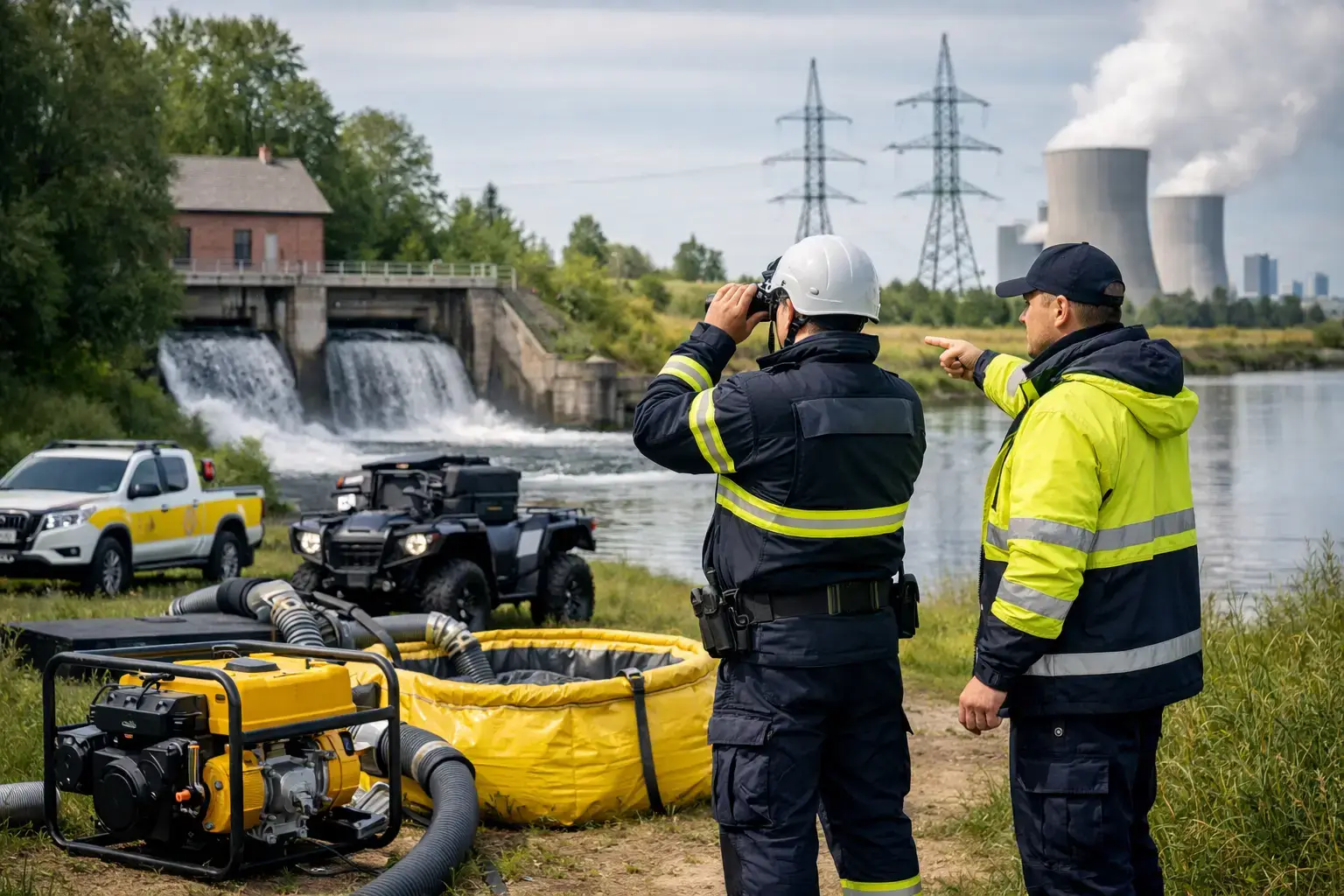
A storm does not need to be historic to create a serious problem. A few hours without electricity can stop a well pump, disable heating controls, spoil refrigerated food, drain phone batteries, and leave a rural property without light or water. Effective civil protection solutions turn that uncertainty into a practical plan: keep essential systems running, move water where it needs to go, and make equipment available before roads, stores, or services are under pressure.
For homeowners, landowners, workshops, and field crews, readiness is not about buying the largest machine available. It is about choosing equipment that matches the work, starting it reliably in cold weather, storing fuel safely, and knowing how to use it without creating a second emergency.
Start With the Failure You Need to Handle
Civil protection covers many scenarios, from power outages and flooding to blocked access routes and communication failures. A useful home or property plan begins by identifying what fails first and what must continue operating.
For one property, the priority may be a circulation pump and boiler controls. For another, it is a deep-well pump, freezer, internet router, security lighting, and phone charging. A contractor or remote work crew may need power for battery chargers, lighting, small tools, and communications. These needs require different generator output, fuel capacity, and portability.
Separate loads into essential and nonessential equipment. Essential loads keep people safe, warm, supplied with water, informed, or able to protect the building. Nonessential loads can wait. This distinction prevents a common mistake: trying to run the entire house from a portable generator and overloading it when several appliances start at once.
Civil Protection Solutions Begin With Backup Power
A generator is often the center of a practical emergency setup, but wattage alone does not tell the full story. Motors, pumps, refrigerators, and compressors need extra power during startup. A generator that handles an appliance’s running watts may still trip or stall when that appliance cycles on.
Add the running wattage of the loads you expect to use together, then account for the highest startup demand. Leave a sensible operating margin rather than planning to use every available watt. That reserve helps the generator cope with changing loads and reduces unnecessary strain.
Choose the Generator Type for the Job
Inverter generators are a strong choice for sensitive electronics, mobile use, quieter operation, and lighter emergency loads. They are well suited to charging devices, running lights, operating a refrigerator, and supporting a small pump or heating system when correctly sized.
Conventional petrol generators are often a practical fit where higher output is needed for tools, larger pumps, and multiple household loads. Diesel generators can make sense for demanding, frequent-duty work, particularly where fuel storage and runtime are major considerations. The trade-off is usually more weight, more noise, and less convenience for occasional users.
Dual-fuel generators add useful flexibility. If petrol availability becomes limited, an LPG supply may keep essential equipment operating. That does not remove the need for fuel planning, but it gives a property owner another operating option. In a prolonged disruption, flexibility can matter as much as peak output.
Portable power has limits. Electric heating, electric water heaters, ovens, large air-conditioning systems, and other high-draw equipment can consume generator capacity quickly. Run only the loads that protect the property and household first.
Connect Power Without Creating a Hazard
Never connect a portable generator directly to a wall outlet. This dangerous practice can send electricity back into utility lines, damage equipment, and put utility workers at risk. If a generator needs to power selected circuits in a building, have a qualified electrician install an approved transfer switch or interlock system.
Run portable generators outdoors only, well away from doors, windows, vents, and enclosed work areas. Carbon monoxide has no smell and can build up fast. Keep the generator dry, protect it from direct rain with a properly ventilated cover or shelter, and use outdoor-rated extension cords sized for the load and distance.
Cold weather adds another layer. Check oil grade, battery condition on electric-start models, fuel freshness, and the condition of recoil starters before winter arrives. A machine that starts easily during a mild weekend test may behave differently after a freezing night.
Water Control Is a Core Part of Preparedness
Power loss and water problems often arrive together. Heavy rain can flood basements, ditches, garages, and access roads. A broken pipe may require fast water removal. A well system may stop supplying water when the power fails.
A water pump should be selected by the type of water, required flow, lift height, hose size, and debris level. Clean-water pumps are suited to relatively clear water. Trash pumps are built for dirty water containing solids and are the better choice for drainage ditches, muddy basements, and flood-prone ground. Using the wrong pump can clog it, reduce flow, or cause costly wear.
Think beyond the pump itself. Keep the correct suction hose, discharge hose, clamps, fittings, strainer, and spare seals with the machine. A pump without the right hose arrangement is not a solution when water is already rising. Test priming and startup procedures before an emergency, especially if several people may need to operate the equipment.
If a pump depends on generator power, calculate both systems together. The generator must handle the pump motor’s starting surge as well as any other loads running at the same time.
Build a Fuel and Maintenance Routine
Emergency equipment is only dependable when it is maintained between emergencies. Fuel degrades, batteries lose charge, oil ages, hoses crack, and small carburetor passages can become blocked after long storage. The most expensive generator is still useless if it will not start.
Use a simple schedule. Run the generator under a real load regularly, not just for a few minutes at idle. Check oil level, inspect air filters, look for loose fasteners, and confirm that outlets and circuit protection work correctly. Rotate stored fuel according to the fuel supplier’s guidance and use approved containers stored away from ignition sources.
Keep key service items on hand: engine oil, spark plugs where appropriate, air filters, fuel filters, pull cords, pump seals, spare fuses, and suitable extension cords. For equipment used in field conditions, a basic tool kit and repair manual are equally valuable. Champion Baltics focuses on the equipment and ownership items that keep portable power and utility machinery working beyond the first season.
Plan for Mobility, Access, and Communication
Civil protection is not limited to what happens inside a building. A fallen tree, stuck vehicle, or impassable track can isolate a property when help is delayed. A correctly rated winch, recovery straps, gloves, and secure anchor points can support vehicle recovery, but only when used within rated limits. Winching is high-risk work – avoid damaged cables, keep people clear of the line, and never improvise attachment points.
Lighting also deserves more attention than it usually gets. Headlamps, battery lanterns, work lights, charged power banks, and a way to recharge them can make repair work safer after dark. Keep paper copies of key phone numbers, property maps, medication information, and equipment instructions in a waterproof container. Mobile networks may be busy or unavailable when you need them most.
A practical readiness kit for a home, workshop, or field vehicle commonly includes these four groups of equipment:
- Backup power: generator, transfer equipment or outdoor cords, fuel, oil, and a load plan.
- Water control: suitable pump, hoses, fittings, strainers, and protective gloves.
- Access and recovery: winch or recovery gear matched to the vehicle and operating conditions.
- Light and communication: headlamps, work lights, batteries, power banks, radios, and printed contacts.
Test the Plan Before Conditions Get Bad
The best time to find a missing adapter or an undersized generator is during a planned test. Shut down nonessential circuits, start the generator outdoors, connect the intended loads, and observe what happens when pumps, refrigerators, or tools start. Test the pump with its actual hoses. Confirm that every adult who may be present understands the shutdown procedure and fuel safety rules.
Your setup may change as the property changes. A new well pump, larger freezer, workshop tool, or additional building can alter the power requirement. Review capacity once a year and after any major equipment purchase.
Preparedness is built from equipment that has a clear job, fuel that is ready to use, and procedures that people can follow under stress. Start with the one failure that would hurt your property most, then build outward from there.
